Evidence-backed unusual places in Portugal, grouped with maps, original sources and useful geographic context. These are crawlable research records, not an indiscriminate directory: reports without enough depth remain available for exploration but are excluded from search indexing.
Juromenha meteorite
Recorded meteorite landing
A Iron, IIIAB meteorite recorded as an observed fall with a recorded mass of 25,250 g.
Map, evidence and context →METEORITE LANDING · NASA Meteorite LandingsMonte das Fortes meteorite
Recorded meteorite landing
A L5 meteorite recorded as an observed fall with a recorded mass of 4,885 g.
Map, evidence and context →METEORITE LANDING · NASA Meteorite LandingsOurique meteorite
Recorded meteorite landing
A H4 meteorite recorded as an observed fall with a recorded mass of 20,000 g.
Map, evidence and context →METEORITE LANDING · NASA Meteorite LandingsPortugal meteorite
Recorded meteorite landing
A Stone-uncl meteorite recorded as an observed fall with a recorded mass of 4,500 g.
Map, evidence and context →UNESCO GLOBAL GEOPARK · UNESCO Global GeoparksAlgarvensis UNESCO Global Geopark
PT
The Algarvensis UNESCO Global Geopark is located in southern Portugal’s Algarve region and presents a diverse geological history spanning 330 million years.
Map, evidence and context →UNESCO GLOBAL GEOPARK · UNESCO Global GeoparksTerras de Cavaleiros UNESCO Global Geopark
PT
Experience the Wild Boar Gastronomic Route, held annually on the last weekend of January, as local restaurants present traditional dishes featuring this regional speciality.Visit the Olive O
Map, evidence and context →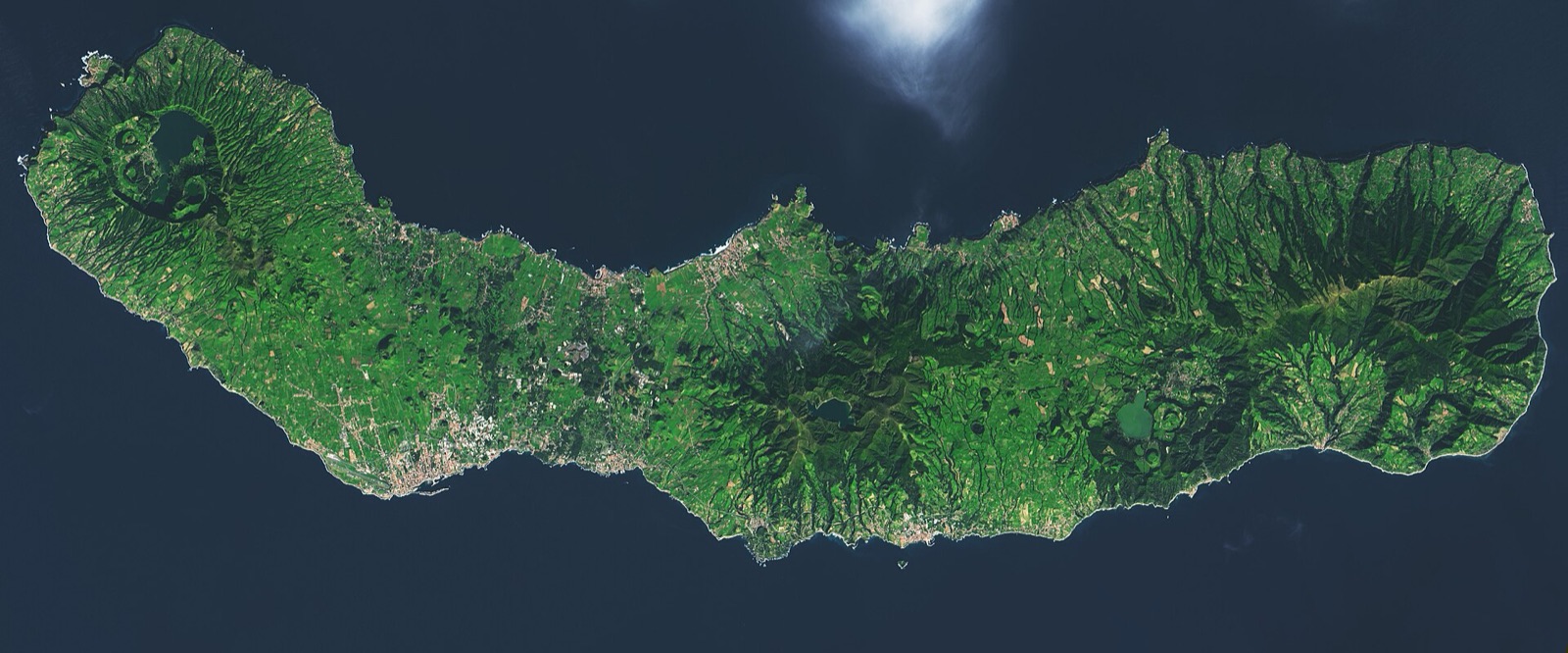 UNESCO GLOBAL GEOPARK · UNESCO Global Geoparks
Azores UNESCO Global Geopark
PT
Climb Pico Island’s Mountain, the tallest peak in Portugal at 2,351 meters, offering breathtaking panoramic views of the Azores archipelago.Experience Cozido das Furnas, a traditional Portug
Map, evidence and context →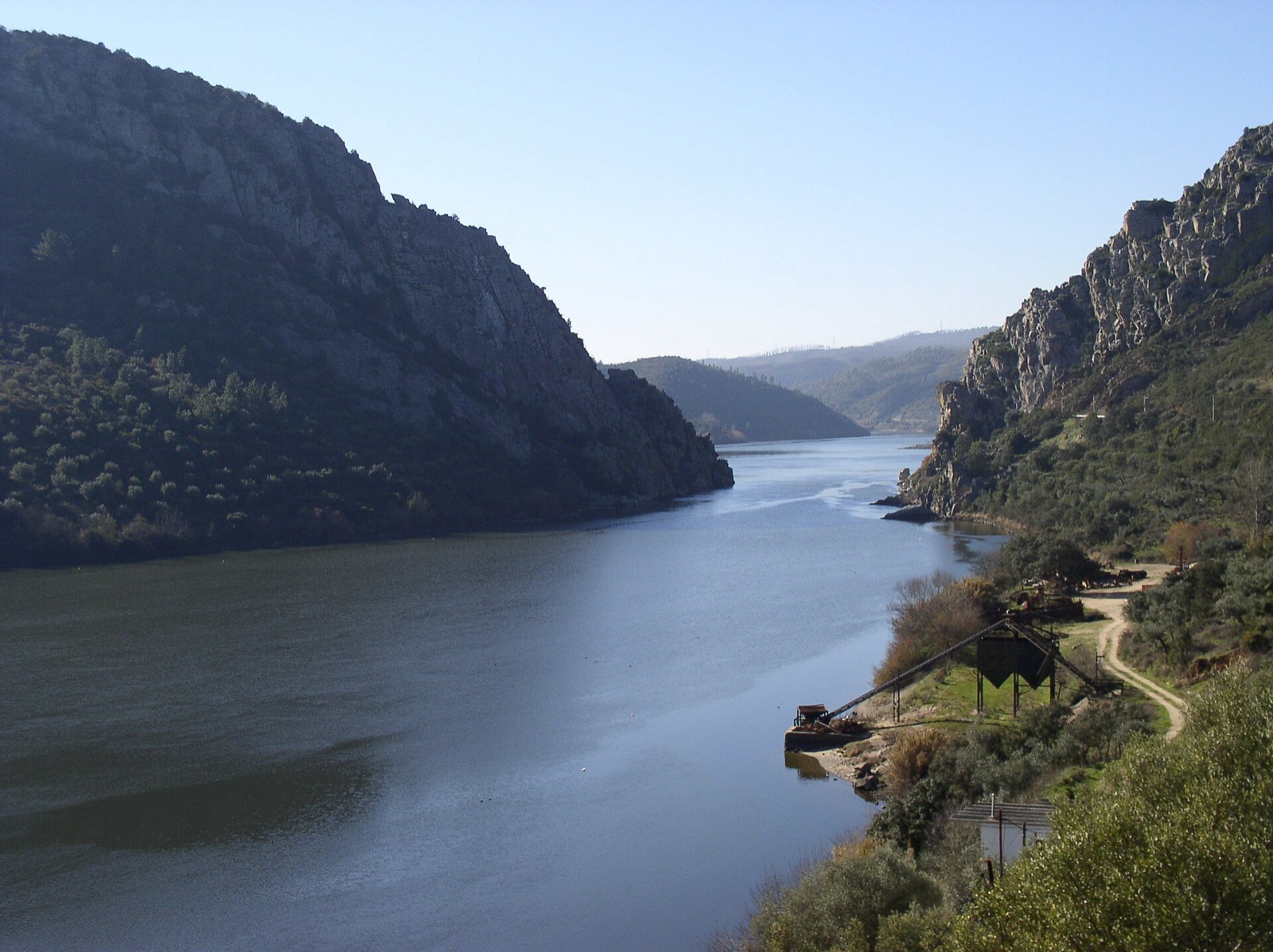 UNESCO GLOBAL GEOPARK · UNESCO Global Geoparks
Naturtejo UNESCO Global Geopark
PT
Visit thermal water springs in the region, including the Termas de Monfortinho and Termas da Fadagosa.Try "Bica de Azeite," a flatbread made with wheat and olive oil, derived from
Map, evidence and context →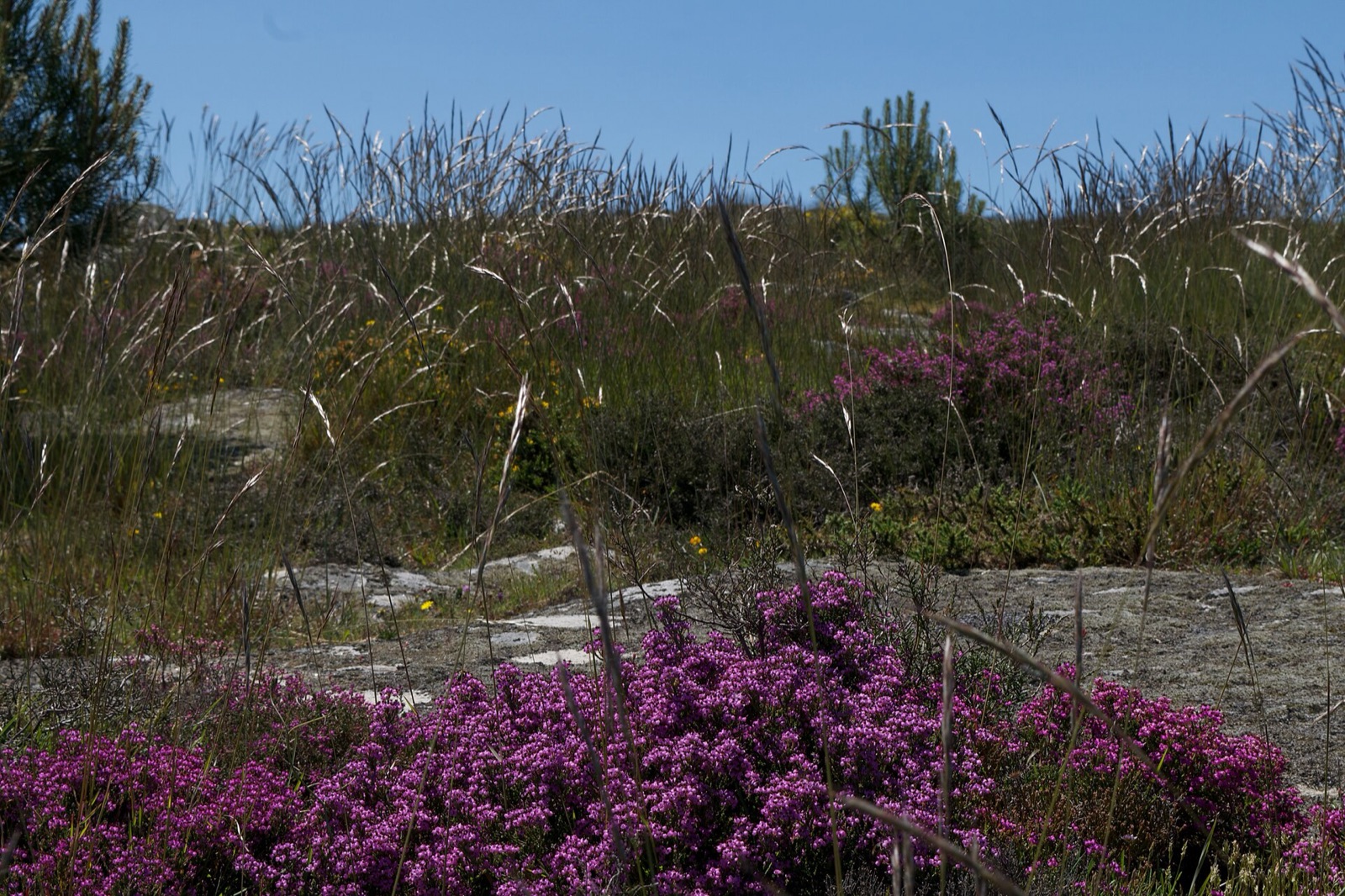 UNESCO GLOBAL GEOPARK · UNESCO Global Geoparks
Arouca UNESCO Global Geopark
PT
The Senhora da Mó panoramic geosite is one of the viewpoints of the Arouca geopark, located high above the town of Arouca. At its highest point stands a chapel believed to date back to the 1
Map, evidence and context →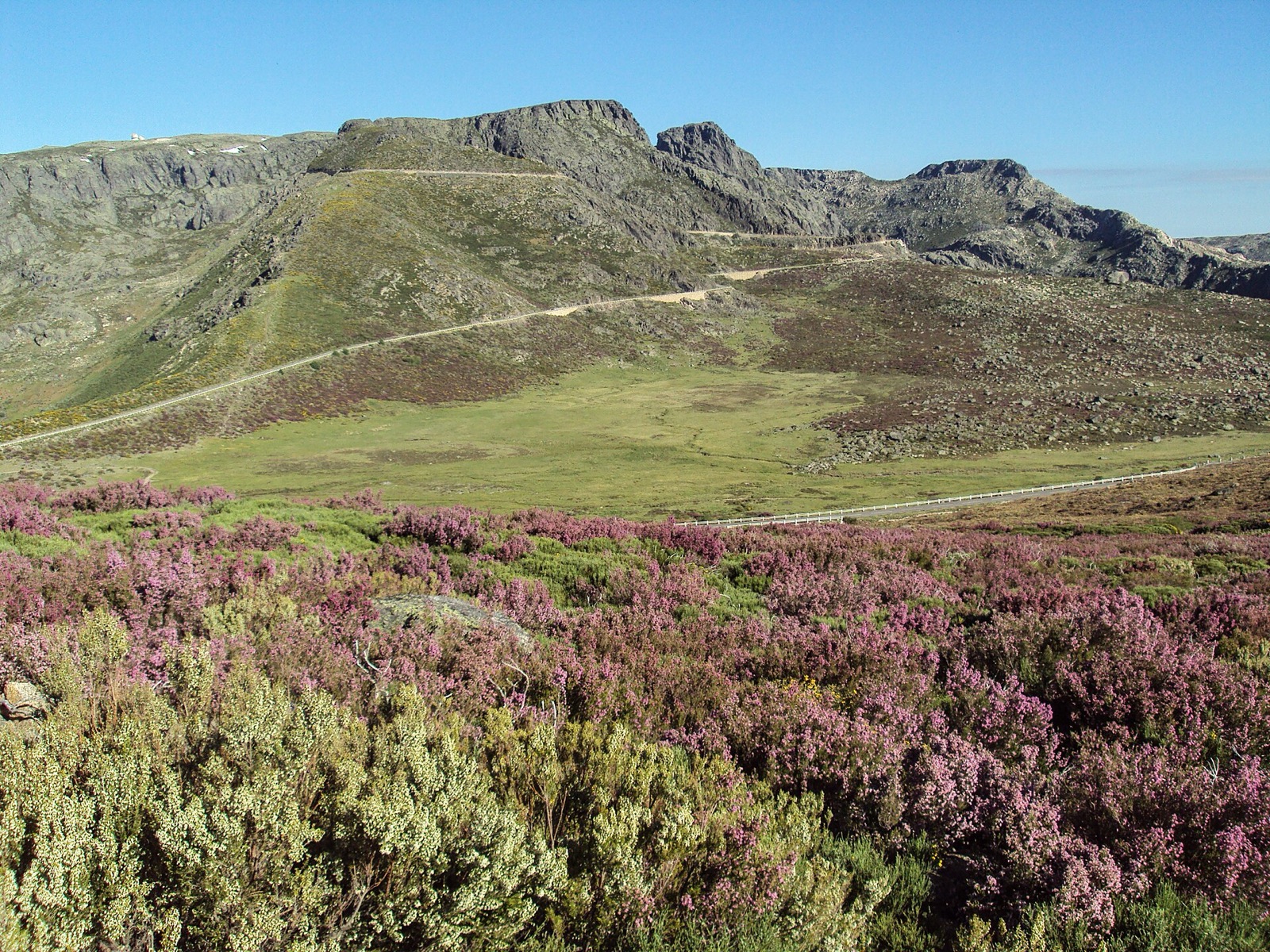 UNESCO GLOBAL GEOPARK · UNESCO Global Geoparks
Estrela UNESCO Global Geopark
PT
The Interpretative Centre of Zêzere Glacial Valley is a dedicated hub that provides insights into the rich geological history of the region, emphasising the significance of the glacial valle
Map, evidence and context →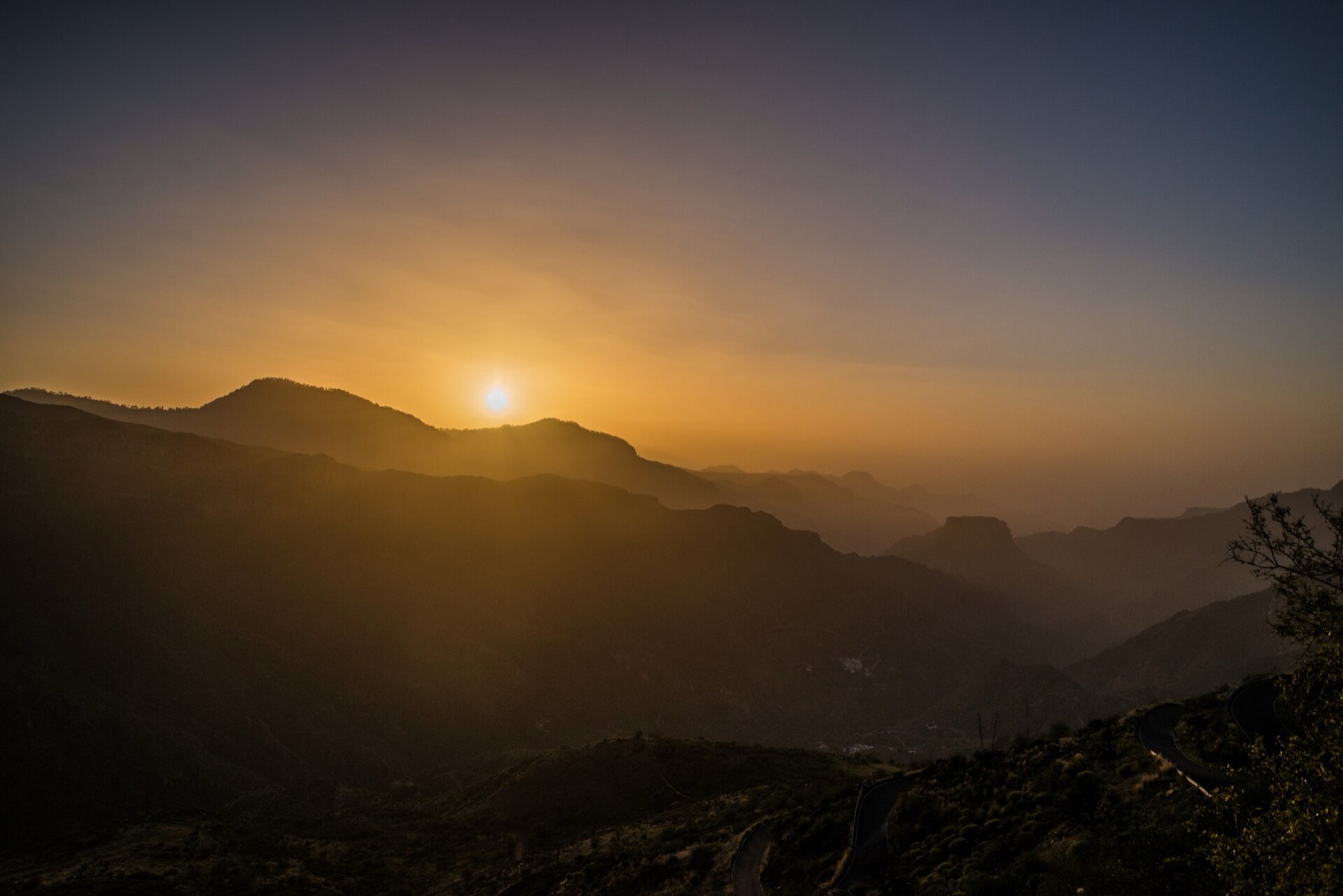 UNESCO GLOBAL GEOPARK · UNESCO Global Geoparks
Oeste UNESCO Global Geopark
PT
Explore the watermills of the Cornaga Valley, where 17 historic mills once used the power of the Galvão River to grind cereals into flour, sustaining local communities. Discover the Papôa Is
Map, evidence and context →SHIPWRECK · Expanded physical odditiesLakonia
Location recorded in Wikidata
Dutch-built ocean liner that caught fire and sank in 1963
Map, evidence and context →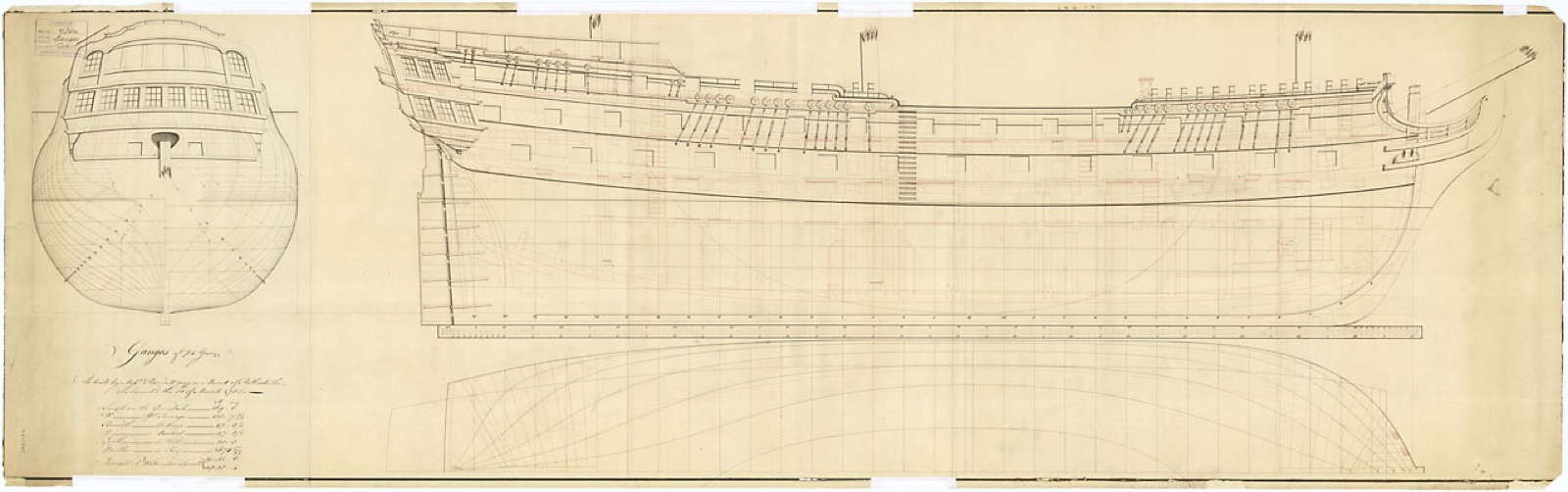 SHIPWRECK · Expanded physical oddities
HMS Ganges
Location recorded in Wikidata
1782 Ganges-class third-rate ship of the line
Map, evidence and context →